

Why a Reliable Phone System for Startups Matters
Finding the right phone system for startups is the single fastest way to look professional, secure early customers, and keep your remote team unified without drowning in high costs.
The Quick Answer: Top Startup Phone Systems Compared
- Quo (formerly OpenPhone): Best for team collaboration and shared numbers (Starts at $15/user/month).
- Nextiva: Best for hands-on customer support and scaling infrastructure (Starts at $15/user/month).
- Ooma Office: Best for non-technical teams needing a fast, 15-minute setup (Starts at $19.95/user/month).
- DialPhone AI: Best for cutting admin work with instant post-call summaries (Starts at $24/user/month).
When you are launching a business, every single call could be your next big investor, a key partner, or a lifelong customer. Relying on personal cell phone numbers looks messy, hurts your team’s work-life balance, and makes it impossible to share the load of incoming customer requests.
Modern cloud-hosted VoIP (Voice over Internet Protocol) systems solve this. They cut traditional landline costs in half, run entirely on the laptops and mobile devices your team already owns, and scale up instantly as you hire.
I am Patrick Brangan, and with over 20 years of experience curating unified communications and IT solutions for SMBs, I help early-stage teams find the perfect phone system for startups to simplify their operations and scale on budget. Let’s dive into how to choose the right platform for your team so you can consolidate your tech stack and stop paying for features you do not use.
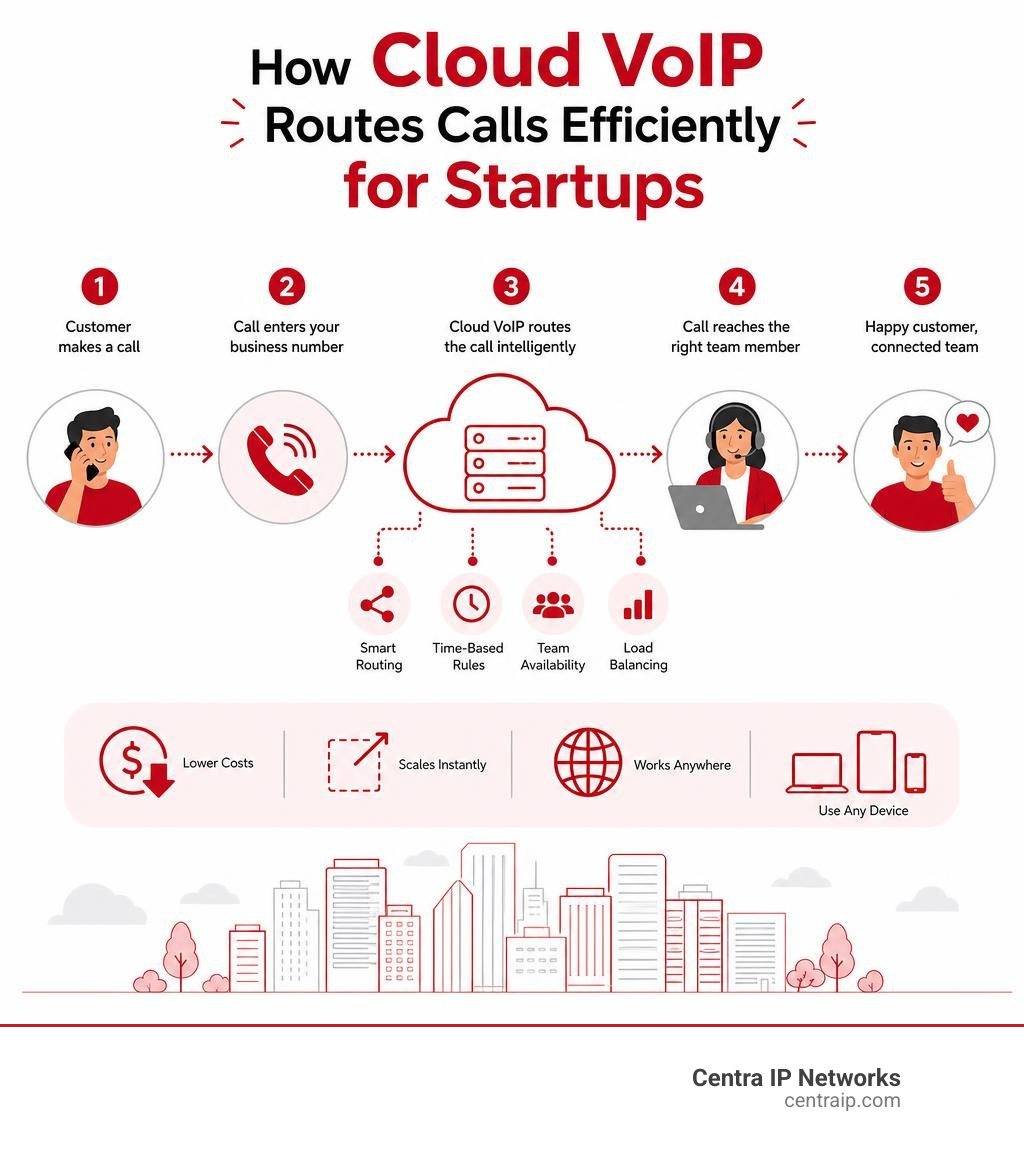
Quick look at phone system for startups:
- best phone system for medium business
- best virtual phone system for small business 2026
- mini pbx system
How to Choose the Best Phone System for Startups

Choosing a communication platform for a brand-new venture is fundamentally different from buying a phone system for an established corporate office. Established companies often prioritize rigid desk phone setups, complex multi-level physical routing, and long-term contracts. Startups, on the other hand, live and die by their agility, cost-efficiency, and remote-friendly configurations.
When we evaluate a phone system for startups, we look for solutions that require zero upfront hardware investments. You do not want to buy twenty physical desk phones that will sit empty in a co-working space or a remote employee’s home office. Instead, modern startups need “softphones”—software-based applications that turn existing laptops, tablets, and personal smartphones into secure, business-grade communication hubs.
To make an informed decision, we recommend reading our detailed guide on Finding the Right Kind of Phone System for Your Small Business. This resource outlines how to match your team’s daily operational workflows with the right technology.
Rapid scaling is another critical consideration. In the startup world, you might have three team members in June 2026 and fifteen by December. Your phone infrastructure must allow you to add new lines, assign extensions, and modify call-routing rules in a matter of clicks, rather than waiting days for a telecom technician to visit your office.
Additionally, remote work flexibility is non-negotiable. Whether your co-founders are based in Dallas, Fort Worth, or enjoying the sunny tech scenes of Orlando, Tampa, and Sarasota, everyone needs to operate under a single, unified business identity. A cloud-hosted system ensures that regardless of where your team logs in, they can make calls that display your main business caller ID, protecting their personal privacy while maintaining a professional corporate image.
For a broader look at how these systems function, take a look at our foundational article on The Small Business Phone System or consult our comprehensive Phone System Buyer’s Guide to learn more about selecting scalable vendors.
Essential Features of a Modern Phone System for Startups
Before signing up for any service, we must identify the features that will actually drive productivity versus those that are just expensive bells and whistles. Startups should look for platforms that offer:
- Shared Phone Numbers: This allows multiple teammates to send texts and answer calls from a single business line. If a customer texts your main sales line, anyone on your team can reply from their own device, ensuring you never miss a lead.
- Auto Attendants (Virtual Receptionists): Even if your startup only consists of two co-founders, a professional auto attendant (“Press 1 for Sales, Press 2 for Support”) gives callers the impression of an established, organized enterprise.
- Mobile-Native Apps: The software must run flawlessly on iOS and Android. If the mobile app is clunky, drops calls, or drains battery life, your team will quickly revert to using their personal numbers, which ruins your data tracking and professional boundaries.
To understand how these tools fit into your daily operations, review our list of the Five Modern Must-Have Phone System Features to ensure you are prioritizing the right capabilities.
Evaluating the Cost of a Phone System for Startups
Budgeting for a startup is a balancing act. Every dollar spent on software is a dollar taken away from product development or marketing. When shopping for a phone system for startups, you will encounter two primary pricing models:
- Per-User Pricing: You pay a flat monthly fee for every individual user on the system (e.g., $15 to $30 per user). This is highly predictable and cost-effective for very small teams, but it can get expensive as your staff grows.
- Account-Based or Flat-Rate Models: Some providers charge a flat fee for a specific number of lines or features, regardless of how many physical users are sharing them.
Startups must also watch out for hidden costs. Many legacy providers advertise low entry rates but charge extra for call recording, voicemail transcription, SMS messaging, or integrations with your CRM. To keep your overhead low without sacrificing quality, we suggest reading our guide on Dialing Down the Budget: A Guide to Cheap Business Telephone Systems.
Top VoIP Providers for Early-Stage Teams Compared
To help you compare your options, we have compiled a quick reference table highlighting how the leading business phone systems match up across pricing, trials, and core features.
| Provider | Starting Price (Per User/Mo) | Free Trial Period | Key Strength | Best For |
|---|---|---|---|---|
| Quo | $15 (Billed Annually) | 7 Days | Shared inboxes & team collaboration | Fast-moving collaborative teams |
| Nextiva | $15 (Billed Annually) | 30 Days | Outstanding customer support & security | Maturing startups needing scale |
| Ooma Office | $19.95 | 30-Day Money-Back | 15-minute Express Setup | Non-technical teams wanting simplicity |
| DialPhone AI | $24 | 14 Days | Instant AI post-call summaries | High-volume sales & customer support |
| Zoom Phone | $18 | None (Varies) | Video-first integration & global calling | Teams already using Zoom meetings |
Transitioning your communications to the cloud is easier than ever. To learn more about how these platforms operate under the hood, check out our detailed overview of Cloud-Based Business Phone Systems.
Quo (formerly OpenPhone): Best for Collaboration

Quo has rapidly become a favorite within the global startup community, particularly among Y Combinator alumni and fast-growing tech companies. If your team is located in the rising startup hub of St. Petersburg, Florida—which boasts a thriving ecosystem as highlighted by 139 Top startups in St Petersburg for June 2026 – StartupBlink —you are likely familiar with the need for highly collaborative, modern software.
Quo’s standout feature is its unified shared inbox. Instead of isolating calls and texts to individual accounts, Quo allows multiple team members to manage a single phone number simultaneously. When an incoming text or voicemail arrives, any authorized employee can view it, leave internal notes for colleagues, and reply in real-time.
Additionally, Quo features its Sona AI assistant, which automatically transcribes voicemails, drafts context-aware text replies, and generates concise call summaries. This saves early-stage founders hours of manual note-taking and administrative work every week.
Nextiva: Best for Customer Support and Scale
Nextiva is a powerhouse in the VoIP industry, trusted by over 100,000 businesses. While some platforms are built strictly for micro-teams, Nextiva is designed to grow with you from your very first hire to an enterprise-level operation.
Nextiva offers three main plans:
- Core: Ideal for early-stage teams needing unlimited calling in the US and Canada, virtual faxing, and basic setup.
- Engage: Adds advanced features like SMS, professionally recorded greetings, and CRM integrations.
- Power Suite CX: Built for sales and support teams requiring advanced contact center capabilities.
Nextiva’s customer support is widely regarded as some of the best in the industry, making it an excellent choice if you do not have a dedicated internal IT department. Whether you are based in North Texas or looking for local Tampa Bay alternatives, finding a provider that offers hands-on support is crucial for a smooth deployment.
Ooma Office: Best for Simplicity and Quick Setup
If the thought of configuring call-routing trees and SIP trunking makes your head spin, Ooma Office is the solution you are looking for. Ooma is famous for its three-step Express Setup Assistant, which allows non-technical users to get a professional business phone system up and running in less than 15 minutes.
Ooma Office runs entirely in the cloud, but they also offer plug-and-play hardware adapters if you eventually want to add physical desk phones. Their Virtual Receptionist easily directs callers to the right extensions, and their higher-tier Pro Plus plan supports video conferencing for up to 100 participants.
For startups looking for local assistance with setup, hardware, and integration in Southwest Florida, working with a regional partner can ensure your physical and virtual systems are perfectly aligned.
DialPhone AI: Best for Advanced AI Features
For startups that want to leverage artificial intelligence to eliminate administrative overhead, DialPhone AI is a top contender. DialPhone is built from the ground up to integrate AI into every voice conversation.
Its core features include:
- Instant AI Summaries: Within 30 seconds of hanging up a call, the system generates structured notes outlining the caller’s intent, key action items, and overall sentiment.
- Real-Time Transcription: Tracks conversations live, making it easy to search through call histories for specific details.
- Predictive CSAT: Analyzes customer sentiment during calls to predict customer satisfaction scores without requiring post-call surveys.
This platform is ideal for sales-heavy startups that need to log call details into CRMs like HubSpot or Salesforce automatically, allowing reps to focus on closing deals rather than data entry.
Key Considerations: Integrations, AI, and Global Reach
As your startup grows, your phone system cannot exist in a vacuum. It must integrate seamlessly with your CRM, project management boards, and team chat applications. If a sales representative takes a call, that interaction should automatically log in HubSpot or Salesforce so the rest of the team has full context.
Furthermore, if your team is distributed globally, you must consider international calling rates and number availability. Some platforms charge hefty per-minute rates for international calls, while others, like Zoom Phone, offer unlimited domestic calling across dozens of countries.
To explore how hosted cloud services handle advanced routing, security, and global reach, read The Ultimate Guide to Hosted VoIP for Your Business.
For startups operating in major business hubs, choosing a system that supports local presence dialing can dramatically increase your outbound connection rates. If you are targeting clients in North Texas, utilizing local numbers can help build trust. Similarly, startups in Central Florida can establish a strong local footprint by securing local area codes that resonate with regional customers.
Frequently Asked Questions About Startup Phone Systems
Can we use our existing mobile phones instead of buying desk hardware?
Absolutely! In fact, we highly recommend it for early-stage teams. Modern VoIP systems use softphone applications that run directly on your personal iOS or Android devices. This “Bring Your Own Device” (BYOD) model saves thousands of dollars in hardware costs while keeping your personal cell phone number completely private.
To learn more about how to transition your team to mobile-friendly business lines, read our article on VoIP Phone Systems for Business.
How does an AI receptionist benefit an early-stage startup?
An AI receptionist acts as a 24/7 digital gatekeeper. It can greet callers professionally, answer basic questions, qualify leads, and even integrate with your calendar tools to book appointments automatically. This ensures your startup never misses a potential customer, even if your entire team is in a meeting or sleeping after a long product launch night.
What is the difference between per-user and flat-rate pricing?
Per-user pricing charges you a set fee for every individual team member who has an account on the system. Flat-rate or account-based pricing charges a single fee for a set number of lines or call capacities, allowing multiple team members to share those resources. For very small startups, per-user pricing is usually cheaper, but flat-rate models offer highly predictable overhead as you begin to hire rapidly.
Conclusion
Selecting the right phone system for startups does not have to be an overwhelming chore. By focusing on modern, cloud-native platforms that offer shared numbers, seamless integrations, and flexible scaling, you can keep your growing team unified and present a highly professional image to your clients from day one.
At Centra IP Networks, we specialize in helping businesses across Dallas, Fort Worth, Orlando, Tampa, St. Petersburg, Clearwater, and Sarasota simplify their technology. We bring your phone systems, high-speed Internet connectivity, and managed cloud solutions onto a single platform with a single monthly bill. Through our 35+ industry partnerships, we design tailored, cost-effective communication suites that scale seamlessly alongside your business.
Ready to find the perfect connection for your team? Explore our Centra IP Phone Systems today, and let us build a communication infrastructure that supports your startup’s journey to success.