
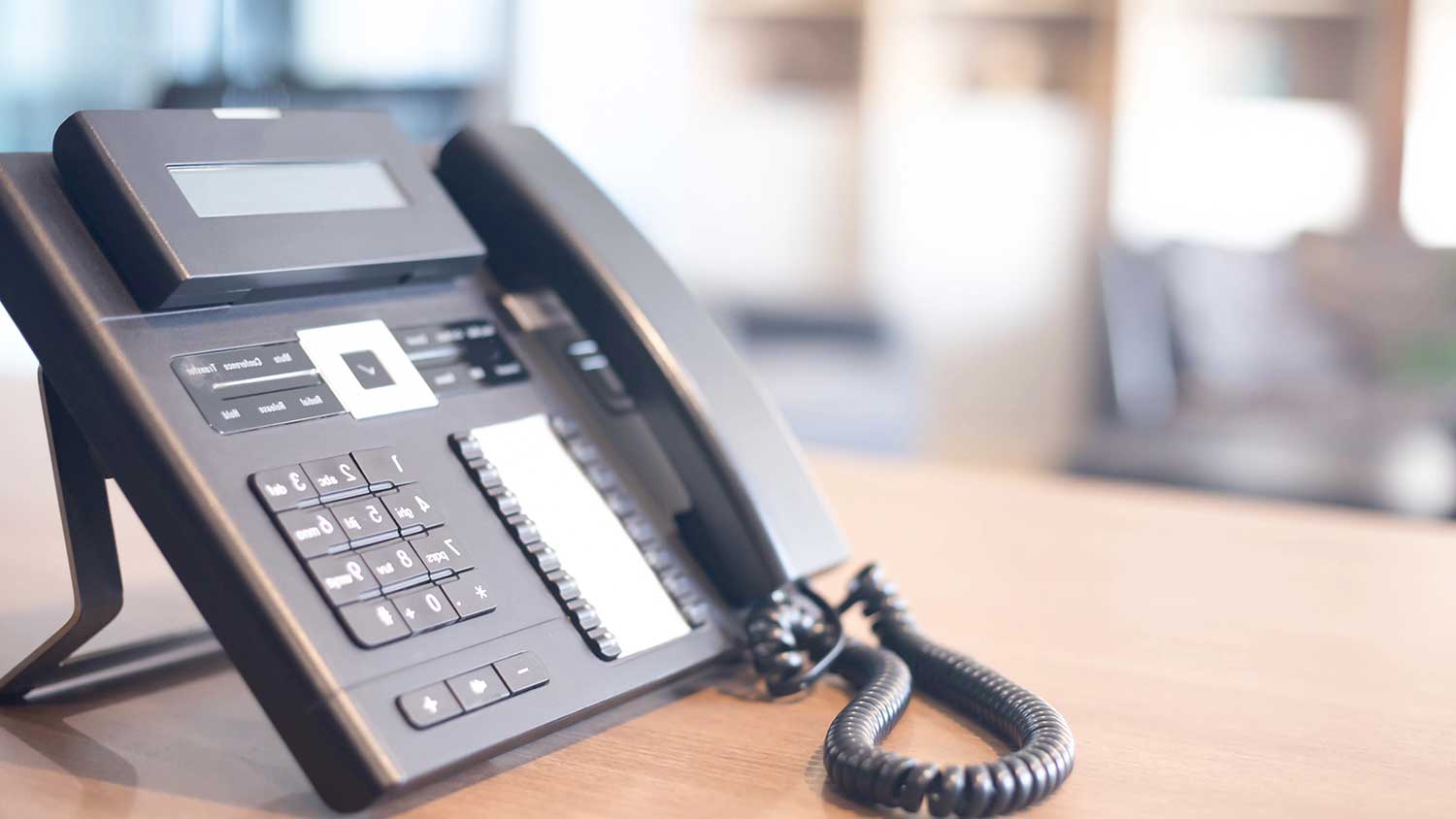
When it comes to choosing a phone setup for your company, the number of options can be overwhelming. From traditional setups to cloud-based solutions, each offers its mix of features, flexibility, and cost. In this guide, we’ll walk through the main types of business phone systems, how they work, and what makes each one stand out. Whether you’re a small team or a growing enterprise, there’s a system out there designed to keep your communication clear and organized.
Let’s break them down one by one so you can make the best choice for your business.
Landline Phone Systems: The Traditional Option
Landline systems use copper wire connections and are operated through the public switched telephone network (PSTN). These are often found in older office buildings and tend to be used by companies that have been around for decades.
They work through physical hardware and require on-site maintenance. You’ll typically need a private branch exchange (PBX) system to manage multiple lines, extensions, and call routing. While reliable, they lack the flexibility of more modern options.
For businesses with limited internet access or those in rural areas, landlines might still make sense. But with phone companies phasing out traditional services, it may not be a future-proof choice.
VoIP Phone Systems: Modern and Flexible
VoIP stands for Voice over Internet Protocol. Instead of using copper wires, it sends your voice as data over the internet. It’s one of the most popular options today, especially for remote teams and growing businesses.
VoIP systems can be hosted in-house or operated in the cloud. This option works with desk phones, softphones (apps on computers or smartphones), and web interfaces. Features often include call forwarding, voicemail-to-email, video conferencing, and CRM integrations.
It’s more cost-effective than traditional lines and scales easily. As long as you have a strong internet connection, a VoIP system can be a great choice for most businesses.
Cloud-Based Phone Systems: Built for Remote Work
Cloud phone systems are a type of VoIP that lives completely off-site. That means your calls are handled by a third-party provider’s servers instead of physical equipment in your office.
This type of setup is perfect for businesses with remote or hybrid teams. Employees can make and receive calls using mobile apps, desktop tools, or even browser-based platforms. No hardware is required other than internet-connected devices.
The best part is you don’t need to worry about managing the system yourself. Your service provider handles updates, security, and uptime. Plus, you can often access advanced features like call recording, IVR menus, business texting, and auto-attendants.
Cloud systems also let you scale up or down with ease. Adding new users is as simple as creating a new login.
On-Premise PBX Systems: Full Control In-House
On-premise PBX (private branch exchange) systems give you total control over your call infrastructure. These systems are installed on your business’s physical premises and connect with traditional lines or SIP trunking.
You’ll need to invest in hardware, including a PBX box, IP phones, and possibly servers. This option gives your IT team control over how calls are handled, routed, and recorded.
The upfront cost is higher, and you’re responsible for maintenance. But if your business needs tight data control or operates in a highly secure industry, an on-premise PBX may be worth it.
These setups are commonly used in call centers, healthcare, and law firms where uptime and security are top priorities.
SIP Trunking: Upgrade for Modern Connectivity
SIP trunking is a method that lets traditional PBX systems make VoIP calls. It acts as a digital bridge between old phone equipment and modern internet-based networks.
With SIP trunks, you can move away from analog lines without replacing all your hardware. You get the cost savings and features of VoIP while keeping your existing phone system in place.
This is ideal for companies that already have a PBX but want more flexible call options. It’s often used during transitions from landlines to VoIP or when a full cloud migration isn’t yet possible.
Call quality depends on your internet strength. SIP trunking also allows for advanced call routing, remote extensions, and better failover options.
Virtual Phone Systems: Perfect for Freelancers and Startups
A virtual phone system is not tied to any specific device or hardware. It works by forwarding calls to other numbers, such as mobile phones or softphone apps.
This setup is best for solo entrepreneurs, small teams, or businesses that don’t need desk phones. You can set up a professional business number, voicemail, and call routing using just a mobile device or laptop.
Features often include auto-attendants, voicemail-to-email, call screening, and business hours settings. It gives you the appearance of a full office setup without any physical lines.
Virtual systems are affordable and easy to set up. But they may not offer the full feature set larger companies need.
Hybrid Phone Systems: Mix and Match Flexibility
Hybrid systems combine different elements from VoIP, cloud, and on-premise setups. These are often used by companies in the middle of a tech upgrade or those with multiple locations.
For example, a business may keep its on-site PBX at headquarters but use cloud phones for remote staff. Or it might use SIP trunks to connect landlines to a VoIP provider.
Hybrid models allow for smoother transitions and more tailored solutions. They give companies time to adjust budgets and train staff before a full switch.
While flexible, managing a hybrid system can be complex. You’ll need someone who understands how all the parts connect.
Choosing the Right Fit for Your Business
Every business has different needs, which is why no single system works for everyone. A startup may be fine with a virtual phone system. A fast-growing company may need a cloud-based option to keep pace. A large organization with strict compliance policies may choose an on-premise PBX.
What matters most is how your phone system supports daily operations. Think about your team’s workflow, customer expectations, and future growth. Some systems are easier to expand. Others might need more hands-on support or IT involvement.
Features That Help Businesses Communicate Better
While each system type comes with a different setup, they often share a few standard features. These include voicemail, call forwarding, caller ID, and hold music. Advanced systems go beyond that with tools like:
- Auto-attendants to route calls
- Voicemail-to-email for convenience
- Call recording for quality control
- Analytics and reports for tracking performance
- Integration with apps like Microsoft Teams or your CRM
These tools help improve communication inside your business and with your customers. Picking a system that offers what you use will save time and keep your team focused.
Costs and Long-Term Value
Phone systems come with both upfront and ongoing costs. Landlines and on-premise systems typically have higher setup fees. You’ll need hardware, installation, and possibly in-house IT support.
Cloud and VoIP systems are more flexible. They often work on a monthly subscription model. That means fewer surprises and more predictable costs. You can start with a few users and expand when needed.
Virtual systems have the lowest costs, but they also come with fewer features. This can work for small teams but may fall short as the business grows.
Security and Stability
Business calls often carry sensitive information. That’s why security is important no matter which phone system you use. On-premise PBX gives full control over your setup, but you’ll need an IT team to manage it.
Cloud and VoIP systems shift that responsibility to the service provider. A strong provider will keep data safe and your system up and running. Look for features like encrypted connections, two-factor login, and automatic backups.
Stability matters too. A phone system should work around the clock, especially if you run customer support or handle urgent requests. Good systems come with failover support to reroute calls if something goes wrong.
How We Help at Centra IP Networks
At Centra IP Networks, we work with all the types of business phone systems mentioned above. Our goal is to match your business with the setup that fits your goals, team size, and budget.
We support cloud-based systems that make remote work simple. We also set up on-premise PBX systems for clients who need full in-house control. If your business uses a traditional setup, we can help bridge the gap with SIP trunking. We also offer hybrid solutions when a mix of tools makes more sense.
Our team handles planning, installation, and support from one point of contact. That means no bouncing between vendors. You get the features you need, and we’re here to keep things running smoothly.
We also help clients reduce telecom costs without losing service quality. Many of our customers see savings right away after switching to a setup that matches their workflow.
Why Partnering with the Right Team Matters
The system you pick is important. But so is the team that helps set it up. A good system can become a burden if it’s poorly installed or hard to use. That’s why it helps to work with someone who understands how each option works in the real world.
We know how business communication works in the modern workplace. Our team helps you skip the tech headaches and get straight to what matters – reliable, simple communication.
Let’s Simplify Your Business Communication
If you’re ready to explore your phone system options, we’d love to help. At Centra IP Networks, we make it easy to upgrade, switch, or start fresh. Let’s talk about what your business needs and build a solution that works, without the hassle.
Contact us today and let’s find the right phone system for your team.