Why Every Modern Business Needs a Virtual Phone Number
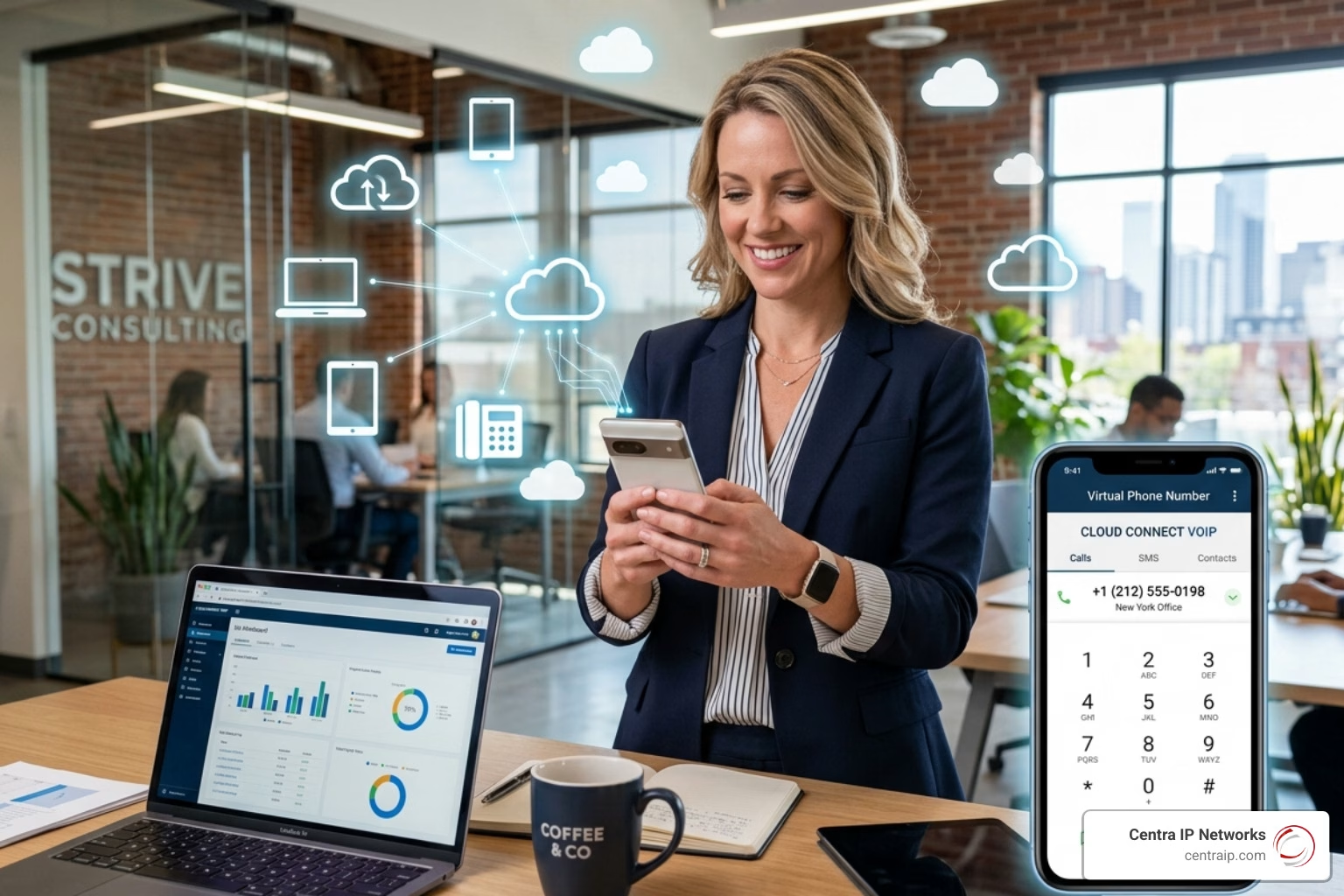
A virtual phone number is a telephone number that isn’t tied to a physical phone line or device. Instead, it lives in the cloud and works on any internet-connected device — your smartphone, laptop, or tablet.
Here’s the quick answer:
| Question | Answer |
|---|---|
| What is it? | A cloud-based phone number not linked to hardware |
| How does it work? | Uses VoIP to send voice as data over the internet |
| Who is it for? | Businesses and individuals wanting flexible, low-cost calling |
| What does it cost? | Typically $15–$50 per user/month |
| Key benefit | Call from anywhere, on any device |
Traditional phone lines tied your business to a desk, a building, and a hefty monthly bill. But in April 2026, more teams are distributed, more work happens on the go, and the old way of doing things just doesn’t cut it anymore.
Think about it this way: your employee is working from a coffee shop, a client calls your main business number, and they answer — professionally — from their personal phone. No desk phone. No office required. That’s the power of a virtual phone number.
I’m Patrick Brangan, and over my 20+ years in business technology — specializing in unified communications for SMBs across Dallas, Tampa, and Orlando — I’ve helped hundreds of companies ditch outdated phone infrastructure and switch to flexible virtual phone number systems that scale with their growth. In this guide, I’ll walk you through everything you need to know to make a smart decision for your business.
Virtual phone number word list:
- call forwarding virtual number
- virtual indian mobile number
- virtual indian mobile number for sms receiving
What is a Virtual Phone Number and How Does It Work?
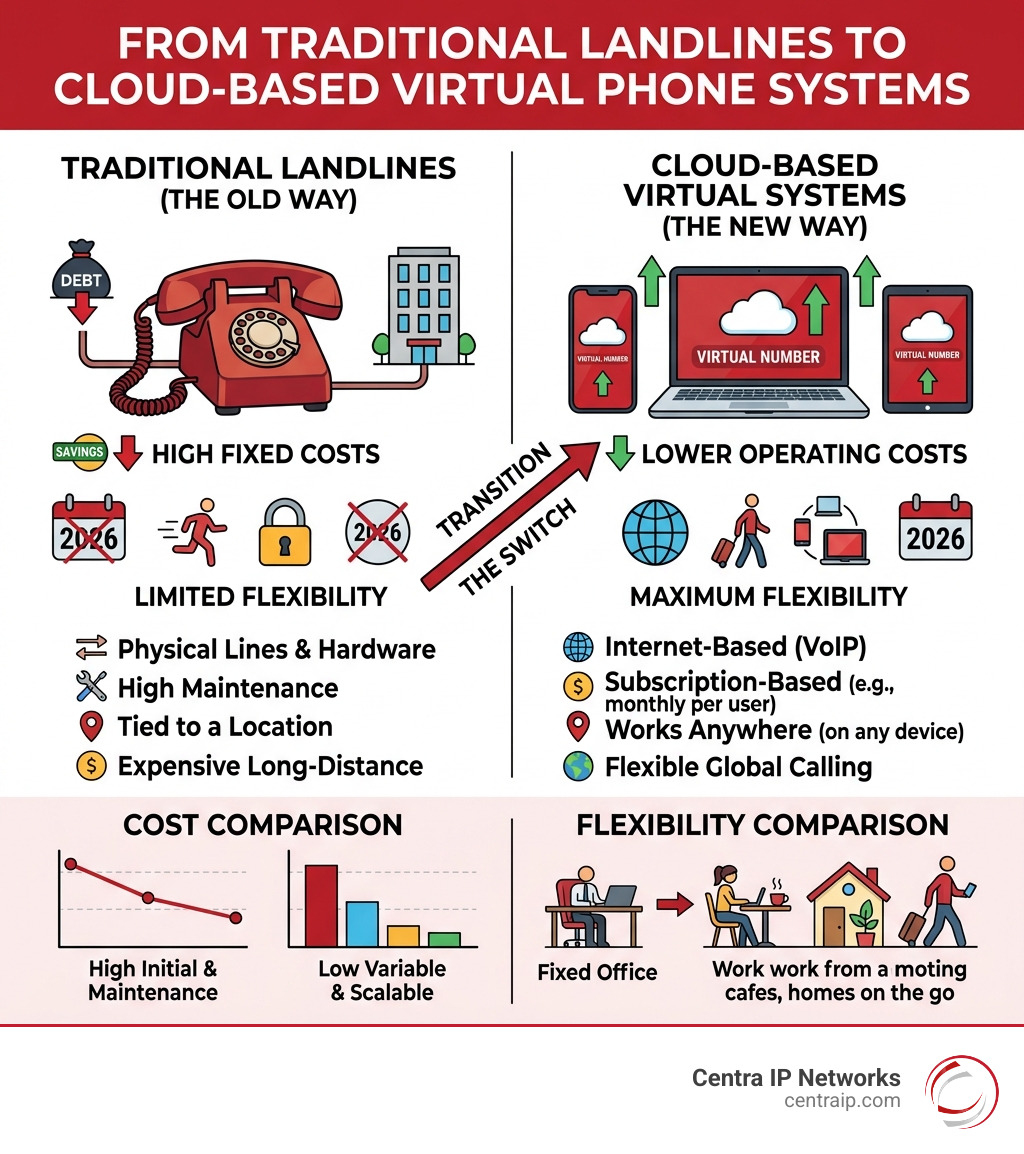
To understand a virtual phone number, you first have to forget everything you know about copper wires and wall jacks. In the old days, a phone number was hardwired to a specific physical location. If you moved desks, a technician often had to come out and move your “line.”
Today, we use Voice over Internet Protocol (VoIP) technology. This “clever stuff” takes your voice and turns it into digital data packets. These packets travel across the internet and are reassembled into crystal-clear sound on the other end. Because the process is digital, the number itself is hosted in the cloud rather than on a physical SIM card or a wire in your wall.
This hardware independence means your virtual phone number is linked to an online account, not a device. You can sign into that account on your iPhone in Fort Worth, your laptop in Orlando, or a tablet in a Sarasota cafe, and make calls as if you were sitting in a high-rise office.
Unlock Business Freedom: How Virtual Number Call Forwarding Works for You is the secret sauce here. When someone dials your virtual number, the cloud-based system looks at your settings and routes that call to wherever you are. It can ring your mobile app, your desktop computer, or even multiple devices at once.
Virtual vs. Traditional: The Breakdown
If you’re still weighing the options, here is how the two systems stack up in 2026:
| Feature | Traditional Landline | Virtual Phone Number |
|---|---|---|
| Connection | Physical copper wires/PSTN | High-speed Internet (VoIP) |
| Location | Fixed to a specific building | Anywhere with Wi-Fi or Data |
| Hardware | Desk phones & on-site PBX | Smartphones, Laptops, Tablets |
| Setup Time | Days or weeks (requires tech) | Minutes (instant activation) |
| Scalability | Expensive & slow to add lines | Instant; add users with a click |
Key Benefits of Using Virtual Phone Numbers for Business
Why are so many businesses in the Tampa Bay area and North Texas making the switch? It usually comes down to the “three S’s”: Savings, Scalability, and Sanity.
1. Massive Cost Savings
Traditional on-premises PBX systems can cost upwards of $1,000 per user just for the initial setup. Then there is the hardware—desk phones usually run about $150 each. A virtual phone number system wipes those costs off the ledger. Smaller businesses can save thousands of dollars by using the devices their employees already own.
2. Global Hiring and Local Presence
Want to hire a top-tier designer in India but keep a local Dallas area code? No problem. Virtual numbers allow you to establish a local presence in multiple markets without renting physical office space. You can buy Texas, Dallas Virtual Numbers – United States +1-945 and have them ring to your team anywhere in the world.

3. Professional Brand Image
Nothing says “amateur” like giving out your personal cell phone number for business. With a virtual system, you maintain a professional business ID on your personal device. You get a dedicated business voicemail, professional greetings, and the ability to set “business hours” so your phone doesn’t ring during dinner.
4. Privacy and Performance
Using a virtual phone number protects your privacy by masking your personal number. Furthermore, these systems offer performance analytics that traditional lines can’t touch. You can track how many calls your sales team makes, listen to recordings for training, and see which marketing campaigns are actually driving phone inquiries.
For more on the strategic advantages, check out Everything You Need to Know About Buying Phone Numbers Online and From Basic to Boss: The Ultimate Guide to Online VIP Mobile Number Purchase.
Essential Features of a Virtual Phone Number Service
A modern service is more than just a dialer. To get the most out of your system, look for these features:
- SMS/MMS Support: Texting is no longer optional. Most providers now include unlimited domestic texting.
- Call Recording: Essential for training and compliance.
- Auto-Attendant: A “digital receptionist” that routes callers (e.g., “Press 1 for Sales”).
- Shared Inboxes: Allow your entire support team to see and respond to incoming texts to a single number.
- AI-Powered Transcriptions: Automatically turn voicemails into text sent to your email or Slack.
- IVR Systems: Interactive Voice Response for complex call routing.
If you need a secondary line for specific tasks, platforms like Real Virtual Phone Numbers. Private, Disposable, Anonymous, Affordable – Tossable Digits offer flexible options for privacy and short-term use.
Types of Virtual Numbers and the Setup Process
Not all numbers are created equal. Depending on your goals, you might need one (or all) of the following:
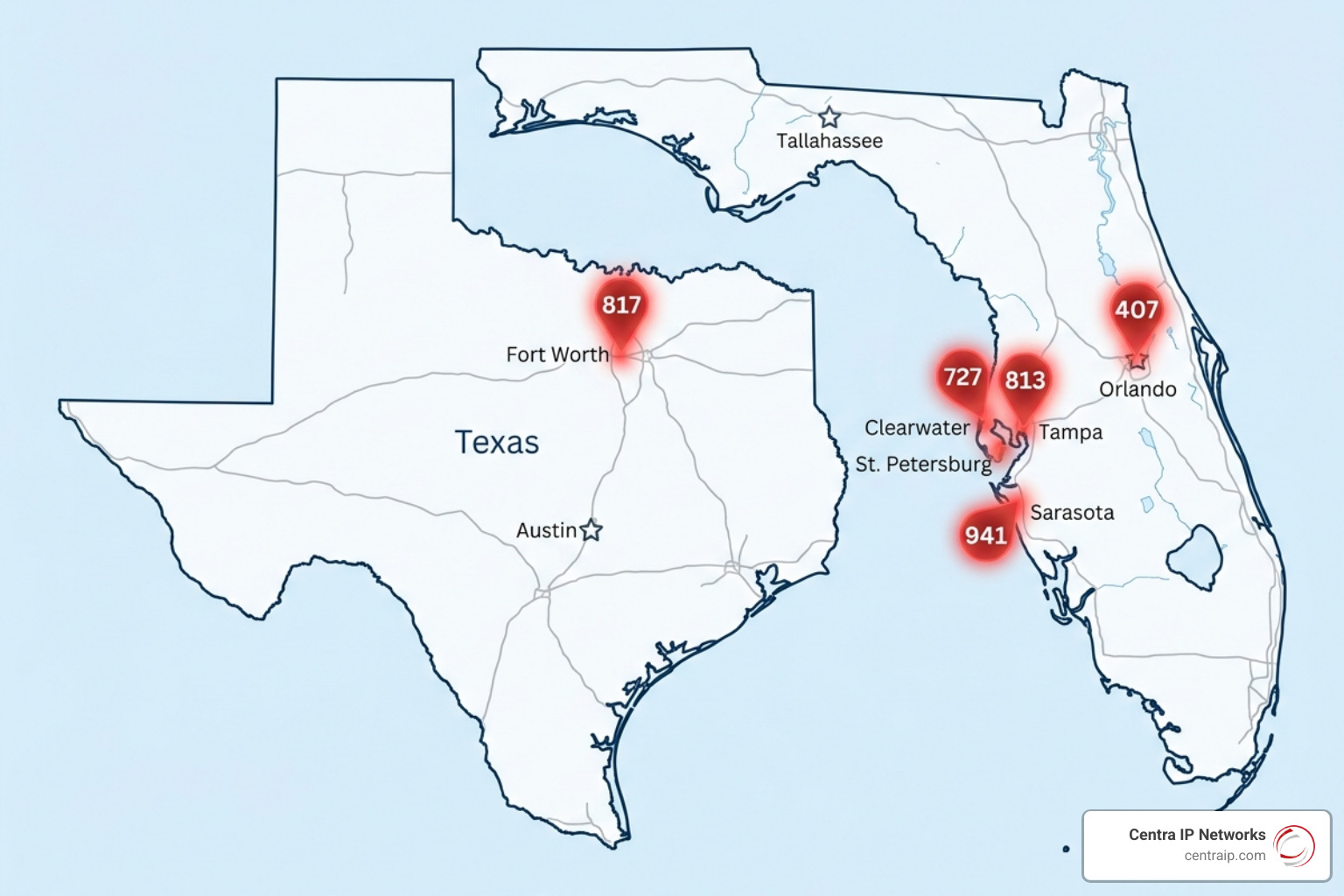
- Local Area Codes: These build trust. If you are operating in Tarrant County, you’ll want to get a Fort Worth Virtual Phone Number. We also see huge demand for Orlando Virtual Phone Numbers, Tampa (1-813)), and St. Petersburg prefixes.
- Toll-Free Numbers: 800, 888, and 877 numbers give your business a national “big company” feel and allow customers to call you for free.
- Vanity Numbers: These are memorable numbers like 1-800-FLOWERS or 1-888-DALLAS-IT. They are fantastic for brand recall in radio or billboard advertising.
- International Numbers: If you have clients abroad, you can get a local number in their country. For example, the NRI’s Secret: How to Score a Virtual Indian Phone Number explains how to stay connected with the subcontinent.
Setting Up Your Virtual Phone Number in 2026
The process is surprisingly fast. If you’re wondering How Do I Get a Virtual Phone Number?, it usually boils down to these steps:
- Provider Selection: Choose a provider that fits your scale. While Google Voice is a popular “free” entry point, businesses usually need the robust support and features of a professional provider.
- Pick Your Number: Search by city, area code, or keyword (for vanity numbers). You can find virtual numbers in Sparkling Clearwater Florida or Sarasota (1-941)) in seconds.
- Porting (Optional): If you already have a business line, you can “port” it to the virtual service so you don’t have to change your business cards.
- Carrier Registration: Due to 2026 regulations (like A2P 10DL), you’ll need to register your business for SMS to ensure your texts aren’t blocked by carriers.
- Install and Go: Download the app, sign in, and start dialing.
For a deeper dive into the 2026 landscape, read Ring in Success: Picking the Perfect Virtual Phone for Your Small Business in 2026 and our guide on how to get a business phone number.
Security, Costs, and Technical Limitations
While we love the flexibility of the cloud, we have to be realistic about the requirements and risks.
Security and Encryption
Is a virtual phone number safe? Generally, yes—provided you use a reputable provider. Look for services that offer AES-256 encryption and are SOC 2 compliant. This ensures your conversations and data are protected from hackers.
The Cost of Doing Business
Virtual subscriptions typically range from $15 to $50 per user, per month. This is a predictable operating expense (OpEx) rather than a massive capital expenditure (CapEx). You aren’t paying for hardware maintenance or “line fees” to the phone company.
Technical Limitations to Keep in Mind
- Internet Dependency: No internet means no phone. If your Wi-Fi is spotty, your call quality will suffer. We always recommend a high-bandwidth connection for office environments.
- E911 Limitations: Unlike traditional landlines, a virtual number isn’t tied to a physical address. You must manually update your location in the system settings so emergency services know where to send help if you dial 911.
- Multi-Device Sync: While a benefit, it can be a distraction if five devices ring simultaneously. You’ll want to spend time configuring your notification settings.
Why Choosing a Virtual PBX Might Be Best for Your Company goes into more detail on how these systems compare to legacy setups.
Frequently Asked Questions about Virtual Phone Numbers
Can I use a virtual phone number for SMS verification and OTP?
Yes, but with a caveat. Most professional virtual numbers support standard SMS. However, some high-security services (like certain banks) may block “VoIP” numbers for two-factor authentication (2FA). If you specifically need an international number for this, see Need an Indian Number for OTP? Here’s How to Get One for SMS.
How much does a virtual phone system cost compared to traditional PBX?
As mentioned, the savings are significant. By avoiding $150 desk phones and $1,000-per-user setup fees, businesses often see a 50-70% reduction in their communications budget in the first year. For a fresh start, read Dialing Up Your Dreams: A Fresh Start with a New Business Phone Line.
Can I port my existing business number to a virtual service?
Absolutely. Under FCC rules, you have the right to take your number with you. The process usually takes 3-7 business days. Your new provider will handle the transfer with your old carrier to ensure service continuity.
Conclusion
The era of being tethered to a desk is over. Whether you are a startup in Dallas or a growing real estate firm in Tampa, a virtual phone number provides the professional image, cost efficiency, and flexibility required to compete in 2026.
At Centra IP Networks, we specialize in making this transition seamless. We offer comprehensive Managed IT and Cloud Communications services across Texas and Florida. Our unique advantage is providing your phone system, internet connectivity, and cloud solutions on a single platform with one bill. By leveraging over 35 strategic partnerships, we tailor cost-effective solutions that fit your specific business needs.
Ready to cut the cord and modernize your communications? Upgrade to a professional cloud-based phone system today and see how we can help your business ring in its next chapter of success.